
In all the years that have gone by since Bajaj Auto showed off the Pulsar for the very first time almost a decade ago, there has hardly been any other bike launch that has caught the imagination of the entire nation. At the dawn of yet another upgrade on the Pulsar platform we trace back through the iconic bike’s generations and explore the design direction that it has tread on.
Bajaj Pulsar – 1st Generation
The idea behind the Pulsar was simple, brief and extremely effective. The Hero Honda CBZ had opened up a new segment in Indian biking – one that had pretty much been left for dead after the Yamaha RD 350. Bajaj Auto saw a clear space for a hooligan motorcycle that would redefine biking in the country and separate the enthusiasts from the commuters – the Pulsar was the answer.What was a collaborative effort between Bajaj’s technical team headed by Joseph Abraham and Tokyo R&D the foundations for the Pulsar were laid and packaged into a motorcycle that was compact and ergonomically tailor-made to suit the average Indian’s height. The final look on the bike was penned by Ravi Darad with inputs from none other than the master himself – Glynn Kerr. Right from the very beginning, the Pulsar was to be launched as twins – in 150cc and 180cc capacities. Visually there was nothing except for a more subtle handlebar that separated the smaller engine.
The bike was given a naked look – riding on the hooligan character that nakeds have always expressed the world over. The highlight of the design was the huge 18 litre fuel tank that flowed into the side panels which in turn formed the perfect start for the sharp comet-tail type rear fenders. The twin-pod instrument cluster in itself was a treat to look at as well with the speedo and tacho needles starting from vertical – another first for an Indian bike. What this all translated into for the rider was simple – sitting in the sporty stepped seat with the huge mass of the fuel tank snug between the legs and the bright-green lit needles dancing in the clusters, the bike felt big – much bigger in fact, than it was. It gave a feeling of substance and of immense power – the flat contoured handlebar adding to the effect.
The first Pulsars were extremely tightly packaged too – with a short wheelbase and wide 100/90 rubber at the back, light hardly passed through when viewed in profile – which added further to the visually ‘big’ feel on the bike. Little elements such as the aircraft type fuel filler cap, the chunky grab rail, stubby exhaust can, sleek turn indicators and round headlamp further added to the Pulsar’s class making it an instant hit not only in India, but in South America as well.
Bajaj Pulsar – 2nd Generation
With the onset of a new engine that featured twin-spark technology it was time for the Pulsar DTSi to have an identity of its own as well. Off came the round head lamp and a sleek bikini fairing took its place. The design of the fairing and head lamp unit itself was a tricky bit to achieve considering the well-rounded looks of the Pulsar’s original design. But as it turned out, the job was executed perfectly making the small head lamp unit integrate well with the massive fuel tank. With the engine change also came a few other mechanical changes that directly influenced the overall style of the bike. First, there was the new silencer – now longer and thinner than the first generation’s unit. But with that also came a longer wheelbase that stretched out the Pulsar owing to a longer swing arm. Adding brownie points was a multi-reflector tail lamp glass. Spoked wheels stayed and to this day, some regard the Pulsar 180 DTSi as one of the finest bikes to be built in the country.Bajaj Pulsar – 3rd Generation
Bajaj Auto had made somewhat of a tradition of giving customers a new Pulsar every year by now, and the DTSi was in for an upgrade. With the minor technical updates came a visual upgrade that made the Pulsar an even more desirable machine. The huge 18-litre tank was replaced with a smaller 15-litre one – but the change in volume could hardly be seen on the visual mass of the bike. The fairing and twin-pod instrument cluster were also retained. Probably the biggest and most welcome change that the third generation Pulsar got was the use of awesome 6-spoke alloy wheels and the change of wheel size from 18 inches to 17 inches. Apart from lowering the centre of gravity of the machine, it also gave the Pulsar a much lowered stance – making it look like it was in the wait to pounce ahead. With the new Pulsar also came in new suspension bits in the form of what we all now know as Nitrox – gas charged shock absorbers with their remote reservoirs taking the Pulsar’s appeal to a whole new level.After a successful few years selling the Pulsar 150 and 180 as completely identical visual twins, customers of the 180 felt that it was time they got something that distinguished their bikes from the smaller engined variants. Bajaj Auto paid heed and the ‘black’ Pulsar 180 was born. The engine, front fork legs, rear shock absorber coil springs, alloy wheels and exhaust were all painted black on the Pulsar 180 here on – a trait that has remained to this day to differentiate the 150s from the 180s.
Bajaj Pulsar – 4th Generation
After so many years of retaining the same side and rear panel design on all Pulsar variants Bajaj Auto decided it was time for change. With the fourth generation of the Pulsar, the bike saw a major overhaul in styling with the exception of the machine’s most iconic part – the fuel tank. Starting from the front, the fairing itself was left untouched but the head lamp unit was given a sinister make over with the two pilot lamps getting distinctly separated from the head lamp. Some even called this the Pulsar’s ‘Phantom’ look and one look at that front end should be enough to explain why! The Pulsars got brand new digital meters as well – backlit in orange with the display taking up speedo, fuel gauge and odometer duties. The tachometer stayed analog. Backlit switches and automatic shut-off turn indicators were also added. Side and rear panels got a sharper look and the squarish tail lamp was dropped for a suave twin-stack LED unit. The Pulsar 180 retained its distinction with the 150 owing to the black paint on the engine, etc.Bajaj Pulsar 220 DTS-Fi
Rumours had been ripe about a bigger Pulsar on the cards for quite some time until Bajaj Auto went on and finally showed off the bike for public viewing. Most elements that made the Pulsar such a popular offering remained, but also thrown in were some massive mechanical changes. The bikini fairing was ditched for a fixed quarter fairing that housed projector headlamps. The all-new fairing was an amazing design integration overall – despite being nothing like the smaller Pulsar’s bikini unit, it bore instant recall as a bike that could only be a Pulsar. Adding even more mass to the front were thicker front forks and tubeless rubber all round. The bike got clip-on handlebars that were not only good-looking but very ergonomic as well.The oil cooler unit got neatly tucked away behind the big fairing, but Bajaj made no efforts of making the big fat exhaust end can look subtle in any way. The all new swing arm and rear disc were showed off as well – as was a brand new split seat for rider and pillion. The design team decided to stick with silver paint on the engine and other parts instead of going with the black scheme that adorned the ‘bigger’ Pulsar 180 DTSi – and now we know why! Though the Pulsar 220 DTS-Fi used the same body panels and fuel tank as the previous Pulsars its immediately looked considerably bigger – like it was on steroids, thanks to the fairing and massive exhaust.


 The first launch was that of the Vespa 150 in the year 1960. It was
launched under license of Piaggio, Italy. The name Vespa prospered for
over a decade then. Vespa scooters have been known for their painted,
pressed steel unibody which combines a complete cowling for the engine, a
flat floorboard, and a prominent front fairing into a structural unit.
Then on in the year 1971, the company started to launch their
three-wheeler goods carrier. The turning point for the company just lay
ahead. Just a year after, Bajaj Auto launched its ever famous Bajaj
Chetak. The name was given after the legendary horse of Indian warrior
Rana Pratap Singh, the Chetak. The Chetak was an affordable means of
transportation for millions of Indian families for decades and thus the
slogan ‘Hamara Bajaj.’
The first launch was that of the Vespa 150 in the year 1960. It was
launched under license of Piaggio, Italy. The name Vespa prospered for
over a decade then. Vespa scooters have been known for their painted,
pressed steel unibody which combines a complete cowling for the engine, a
flat floorboard, and a prominent front fairing into a structural unit.
Then on in the year 1971, the company started to launch their
three-wheeler goods carrier. The turning point for the company just lay
ahead. Just a year after, Bajaj Auto launched its ever famous Bajaj
Chetak. The name was given after the legendary horse of Indian warrior
Rana Pratap Singh, the Chetak. The Chetak was an affordable means of
transportation for millions of Indian families for decades and thus the
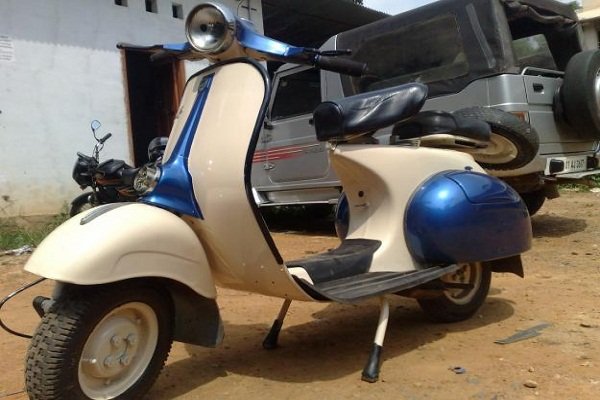
slogan ‘Hamara Bajaj.’ The license agreement with Vespa expired in the year 1977. However
the production continued and Bajaj launched the Bajaj Super, the then
status icon of Indian families. Apparently, it was used as a form of
dowry then. The Super has various features identical to that of the
Vespa. In the year 1977, under the new license agreement between
Maharashtra Scooters and Bajaj Auto, Bajaj Priya was launched. It was a
three geared scooter with a design that was similar to that of the
earlier Bajaj 150. The same year, the company also released a rear
engine Auto rickshaw.
The license agreement with Vespa expired in the year 1977. However
the production continued and Bajaj launched the Bajaj Super, the then
status icon of Indian families. Apparently, it was used as a form of
dowry then. The Super has various features identical to that of the
Vespa. In the year 1977, under the new license agreement between
Maharashtra Scooters and Bajaj Auto, Bajaj Priya was launched. It was a
three geared scooter with a design that was similar to that of the
earlier Bajaj 150. The same year, the company also released a rear
engine Auto rickshaw.

 In the year 1990, the teenagers were offered the Bajaj Sunny. Being a
scooterette, it had a 60cc engine and attained a maximum speed of 50
km/h. However, the model is no longer on the shelves. Then on every
year, there was a new launch by the company. 1991 saw the launch of the
Kawasaki Bajaj 4S Champion. Starting from 1993, the company launched the
vehicles (Bajaj Stride, Classic and Super Excel respectively) in
succession every year till 1995.
In the year 1990, the teenagers were offered the Bajaj Sunny. Being a
scooterette, it had a 60cc engine and attained a maximum speed of 50
km/h. However, the model is no longer on the shelves. Then on every
year, there was a new launch by the company. 1991 saw the launch of the
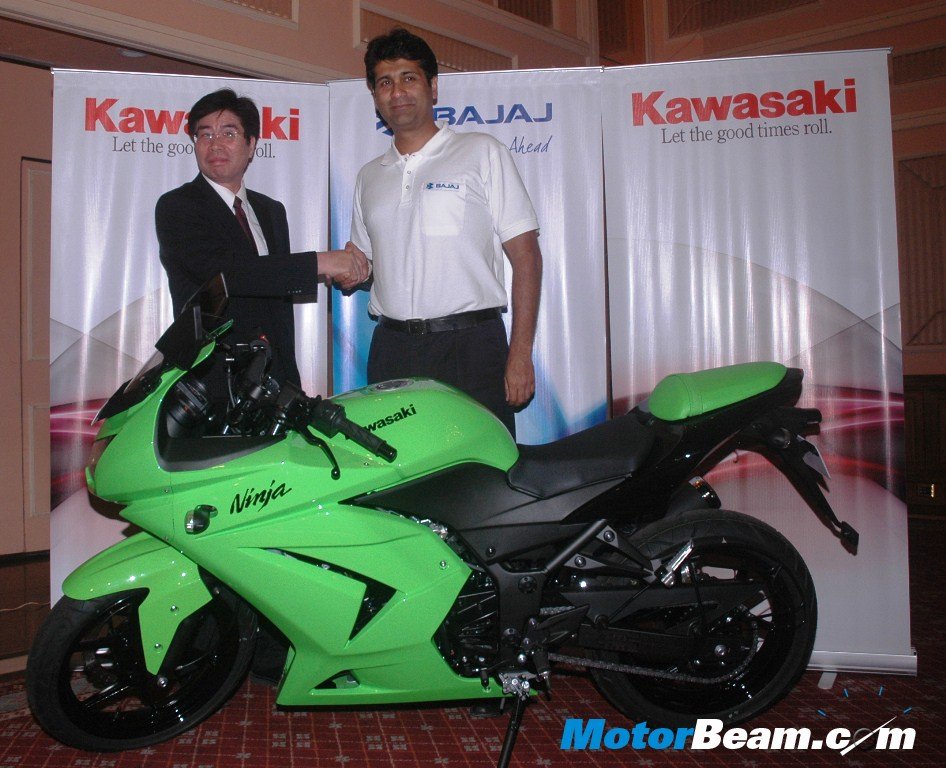
Kawasaki Bajaj 4S Champion. Starting from 1993, the company launched the
vehicles (Bajaj Stride, Classic and Super Excel respectively) in
succession every year till 1995. The year 2001, was the time when the company entered the premium bike
segment with its Bajaj Pulsar. The same year the Kawasaki Bajaj
Eliminator was also launched. The next three years witnessed a range of
launches. First the Bajaj Pulsar DTS-i was launched. Then the world
bike, Bajaj Wind 125 hits the roads. Then came the famous ‘Hoodibabaa’
bike, the Bajaj Caliber 115.
The year 2001, was the time when the company entered the premium bike
segment with its Bajaj Pulsar. The same year the Kawasaki Bajaj
Eliminator was also launched. The next three years witnessed a range of
launches. First the Bajaj Pulsar DTS-i was launched. Then the world
bike, Bajaj Wind 125 hits the roads. Then came the famous ‘Hoodibabaa’
bike, the Bajaj Caliber 115.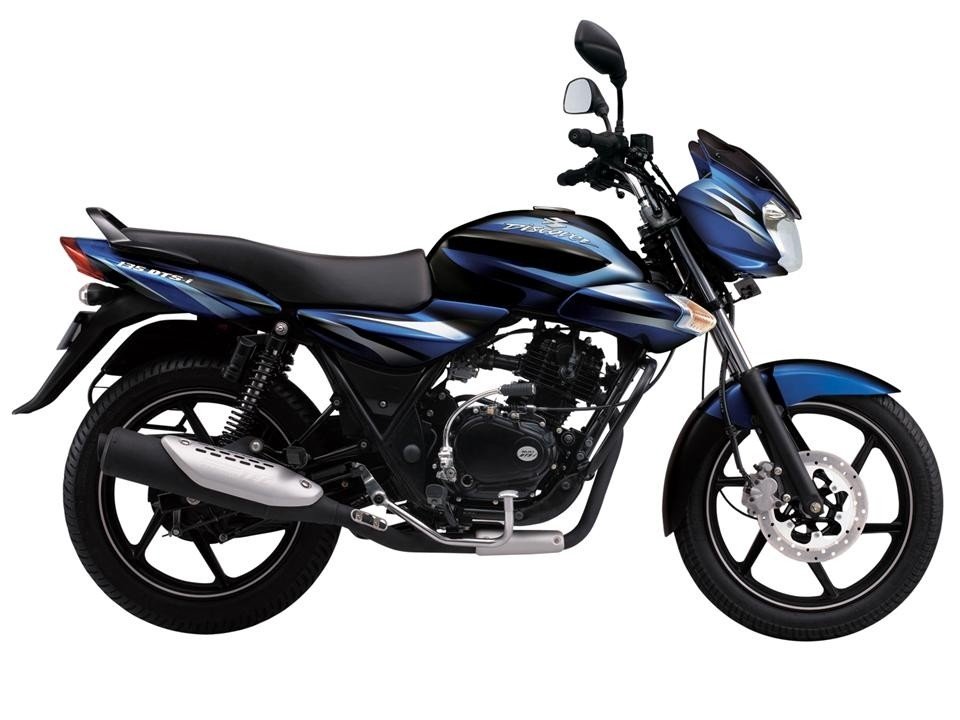
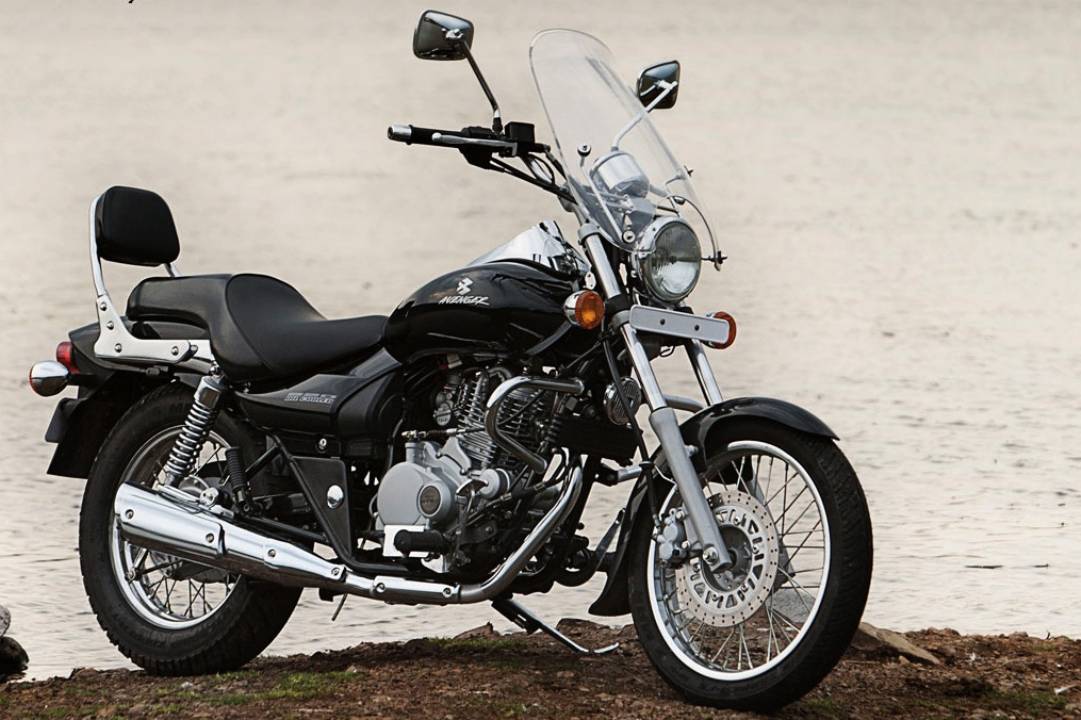 Bajaj Platina was launched in April 2006 at an ex-showroom price of
Rs. 35,000/- and crossed sales of 500,000 units within eight months of
its launch. The bike is capable of a top speed of 91 km/h and does 0–60
km/h in 7.2 seconds. The year 2007 was occupied with a slew of launches.
Bajaj Kristal DTS-i was launched followed by the 200cc Pulsar DTS-i. In
the month of April, the Pantnagar plant was inaugurated. Immediately
after that Pulsar 220 DTS-Fi was launched. In August DTS-Si engine was
launched which was first seen in the Bajaj XCD 125 DTS-Si. The year
ended with the launch of the RE GDi auto rickshaw.
Bajaj Platina was launched in April 2006 at an ex-showroom price of
Rs. 35,000/- and crossed sales of 500,000 units within eight months of
its launch. The bike is capable of a top speed of 91 km/h and does 0–60
km/h in 7.2 seconds. The year 2007 was occupied with a slew of launches.
Bajaj Kristal DTS-i was launched followed by the 200cc Pulsar DTS-i. In
the month of April, the Pantnagar plant was inaugurated. Immediately
after that Pulsar 220 DTS-Fi was launched. In August DTS-Si engine was
launched which was first seen in the Bajaj XCD 125 DTS-Si. The year
ended with the launch of the RE GDi auto rickshaw. The following year, the star was the Bajaj XCD 125 DTS-Si which
became the largest selling 125cc motorcycle. The Bajaj Discover 135
DTS-i Upgrade and the Bajaj Platina 125 DTS-Si were also launched the
same year. 2009 was yet another year which saw lot of upgrades of the
existing models. The company also launched the Kawasaki Ninja 250R in
October the same year.
The following year, the star was the Bajaj XCD 125 DTS-Si which
became the largest selling 125cc motorcycle. The Bajaj Discover 135
DTS-i Upgrade and the Bajaj Platina 125 DTS-Si were also launched the
same year. 2009 was yet another year which saw lot of upgrades of the
existing models. The company also launched the Kawasaki Ninja 250R in
October the same year. Last year Bajaja Auto launched the Kawasaki Ninja 650R, while earlier
this year, Bajaj geared up again and unveiled the RE60, a mini
4-wheeler for intra-city urban transportation. Bajaj RE60 is expected to
challenge the supremacy of Tata Nano. But the much eventful launch was
that of the KTM Duke 200. The orange colour was everywhere with great
publicity measures being taken by the company.
Last year Bajaja Auto launched the Kawasaki Ninja 650R, while earlier
this year, Bajaj geared up again and unveiled the RE60, a mini
4-wheeler for intra-city urban transportation. Bajaj RE60 is expected to
challenge the supremacy of Tata Nano. But the much eventful launch was
that of the KTM Duke 200. The orange colour was everywhere with great
publicity measures being taken by the company.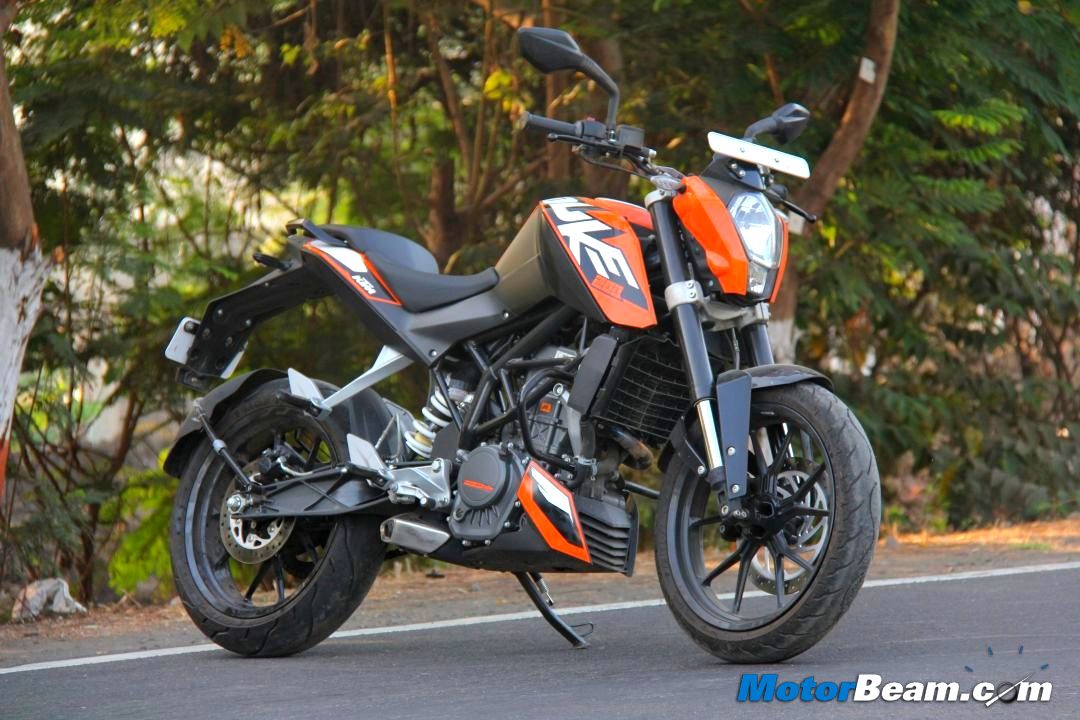
 The saga right now ends with the recent launches of the Discover 125
ST and Pulsar 200 NS. An eventful journey, a challenging path, Bajaj
Auto took it all with a brave heart. This was just a rough outline of
launches from Bajaj Auto. The company released a slew of Pulsar variants
in the last decade and also updated them (UG1, UG2, etc).
The saga right now ends with the recent launches of the Discover 125
ST and Pulsar 200 NS. An eventful journey, a challenging path, Bajaj
Auto took it all with a brave heart. This was just a rough outline of
launches from Bajaj Auto. The company released a slew of Pulsar variants
in the last decade and also updated them (UG1, UG2, etc).


