
“Naye Bharat ki nayi tasweer. Buland Bharat ki buland tasweer” – Hamara Bajaj
The third largest in the world and the second largest in India, Bajaj Auto has been there for over 60 years now. Having successfully changed its image from a scooter manufacturer to a motorcyclist manufacturer, the company has flourished with its plants in Chakan, Waluj and Pantnagar. Bajaj has grown its operations in 50 countries across the world.
The company came into existence on 29th November, 1945 as M/s Bachraj Trading Corporation Private Limited. Initially, it used to import and sell two and three-wheelers in the country. It was post 1959, the company started to manufacture the two-wheelers and three-wheelers. The year 1960 was one of the important years for the company as it went public that year. The launches started the same year.
 The first launch was that of the Vespa 150 in the year 1960. It was
launched under license of Piaggio, Italy. The name Vespa prospered for
over a decade then. Vespa scooters have been known for their painted,
pressed steel unibody which combines a complete cowling for the engine, a
flat floorboard, and a prominent front fairing into a structural unit.
Then on in the year 1971, the company started to launch their
three-wheeler goods carrier. The turning point for the company just lay
ahead. Just a year after, Bajaj Auto launched its ever famous Bajaj
Chetak. The name was given after the legendary horse of Indian warrior
Rana Pratap Singh, the Chetak. The Chetak was an affordable means of
transportation for millions of Indian families for decades and thus the
slogan ‘Hamara Bajaj.’
The first launch was that of the Vespa 150 in the year 1960. It was
launched under license of Piaggio, Italy. The name Vespa prospered for
over a decade then. Vespa scooters have been known for their painted,
pressed steel unibody which combines a complete cowling for the engine, a
flat floorboard, and a prominent front fairing into a structural unit.
Then on in the year 1971, the company started to launch their
three-wheeler goods carrier. The turning point for the company just lay
ahead. Just a year after, Bajaj Auto launched its ever famous Bajaj
Chetak. The name was given after the legendary horse of Indian warrior
Rana Pratap Singh, the Chetak. The Chetak was an affordable means of
transportation for millions of Indian families for decades and thus the
slogan ‘Hamara Bajaj.’ The license agreement with Vespa expired in the year 1977. However
the production continued and Bajaj launched the Bajaj Super, the then
status icon of Indian families. Apparently, it was used as a form of
dowry then. The Super has various features identical to that of the
Vespa. In the year 1977, under the new license agreement between
Maharashtra Scooters and Bajaj Auto, Bajaj Priya was launched. It was a
three geared scooter with a design that was similar to that of the
earlier Bajaj 150. The same year, the company also released a rear
engine Auto rickshaw.
The license agreement with Vespa expired in the year 1977. However
the production continued and Bajaj launched the Bajaj Super, the then
status icon of Indian families. Apparently, it was used as a form of
dowry then. The Super has various features identical to that of the
Vespa. In the year 1977, under the new license agreement between
Maharashtra Scooters and Bajaj Auto, Bajaj Priya was launched. It was a
three geared scooter with a design that was similar to that of the
earlier Bajaj 150. The same year, the company also released a rear
engine Auto rickshaw.

Almost four years hence, in 1981, Bajaj launched M-50. It took another 5 years for it come up with the upgraded version, Bajaj M-80. Little success did M-50 see, whereas the M-80 turned out to be one the flagship products for Bajaj.

The same year the company launched two more products – Kawasaki Bajaj KB100 and Kawasaki Bajaj KB125. Bajaj partnered with Kawasaki to bring in the KB series. Production began in 1986 and went on till 1996.
 In the year 1990, the teenagers were offered the Bajaj Sunny. Being a
scooterette, it had a 60cc engine and attained a maximum speed of 50
km/h. However, the model is no longer on the shelves. Then on every
year, there was a new launch by the company. 1991 saw the launch of the
Kawasaki Bajaj 4S Champion. Starting from 1993, the company launched the
vehicles (Bajaj Stride, Classic and Super Excel respectively) in
succession every year till 1995.
In the year 1990, the teenagers were offered the Bajaj Sunny. Being a
scooterette, it had a 60cc engine and attained a maximum speed of 50
km/h. However, the model is no longer on the shelves. Then on every
year, there was a new launch by the company. 1991 saw the launch of the
Kawasaki Bajaj 4S Champion. Starting from 1993, the company launched the
vehicles (Bajaj Stride, Classic and Super Excel respectively) in
succession every year till 1995.In the year 1997, the Kawasaki Bajaj Boxer and the RE diesel Auto rickshaw were introduced. The Chakan plant was functional the next year. Roll outs started at the Waluj plant and in 1998, Kawasaki Bajaj Caliber hit the roads. This bike was capable of a top speed of 95 km/h. The year had yet another remarkable achievement. Bajaj Legend, India’s first four-stroke scooter rolled out of the Akurdi plant. A four stroke motor meant that no oil has to be mixed with the gas, which resulted in low emissions and high efficiency.
In 1999, Bajaj came up with yet another scooterette called the Spirit. Ideal for college students, it was powered by a two-stroke, 60cc, single-cylinder and air-cooled engine. It was one of the eighteen models Bajaj Auto launched in eighteen months. The same year, Caliber motorcycle notched up 100,000 sales in record time of 12 months. In 2000, the y2k year, Bajaj Suffire was introduced.
 The year 2001, was the time when the company entered the premium bike
segment with its Bajaj Pulsar. The same year the Kawasaki Bajaj
Eliminator was also launched. The next three years witnessed a range of
launches. First the Bajaj Pulsar DTS-i was launched. Then the world
bike, Bajaj Wind 125 hits the roads. Then came the famous ‘Hoodibabaa’
bike, the Bajaj Caliber 115.
The year 2001, was the time when the company entered the premium bike
segment with its Bajaj Pulsar. The same year the Kawasaki Bajaj
Eliminator was also launched. The next three years witnessed a range of
launches. First the Bajaj Pulsar DTS-i was launched. Then the world
bike, Bajaj Wind 125 hits the roads. Then came the famous ‘Hoodibabaa’
bike, the Bajaj Caliber 115.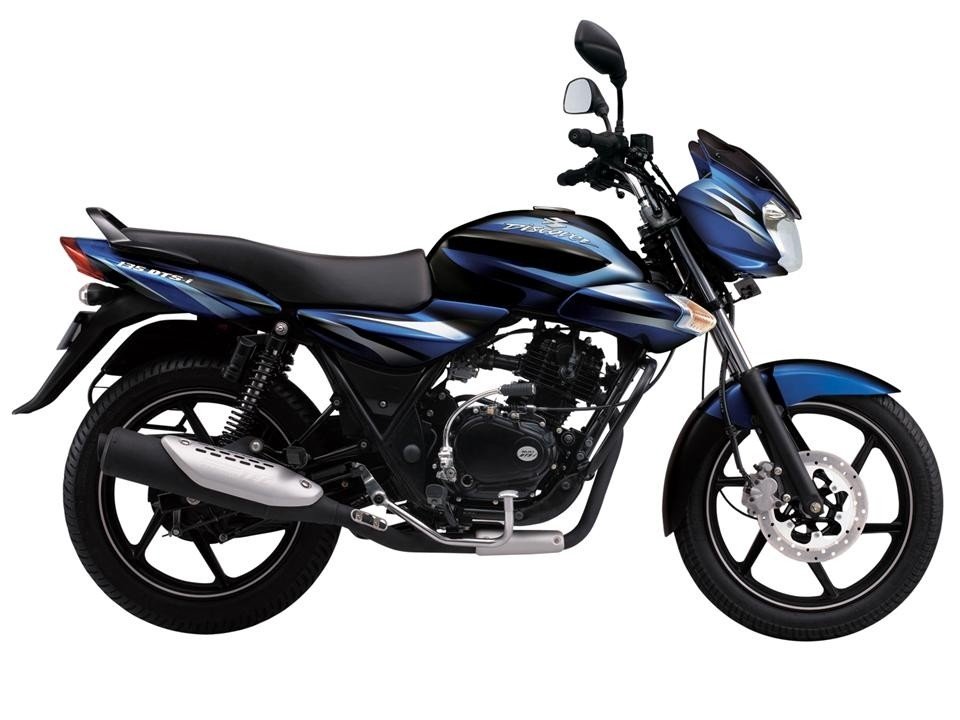 In 2004, the year started with the unveiling of the new brand
identity, donning a new symbol, logo and the brand line. The year gets
credit for the launch of Bajaj Discover DTS-i, Bajaj CT 100 and the new
Bajaj Chetak 4-stroke with wonder gear. 2005, was the year for Bajaj
Discover, Bajaj Avenger DTS-i and Bajaj Wave DTS-i. The Bajaj Avenger
(replaced the Eliminator) was a cruiser style motorcycle launched with a
180cc engine, which was subsequently increased to 200cc and then 220cc
later on. Bajaj Wave was a revised Bajaj Saffire. The Wave was powered
by a 109.7 cc DTS-i engine, CVT transmission and revised body panels. It
offered a maximum power of 8 BHP. It also offered Bajaj’s ExhausTEC
technology and a ride control switch.
In 2004, the year started with the unveiling of the new brand
identity, donning a new symbol, logo and the brand line. The year gets
credit for the launch of Bajaj Discover DTS-i, Bajaj CT 100 and the new
Bajaj Chetak 4-stroke with wonder gear. 2005, was the year for Bajaj
Discover, Bajaj Avenger DTS-i and Bajaj Wave DTS-i. The Bajaj Avenger
(replaced the Eliminator) was a cruiser style motorcycle launched with a
180cc engine, which was subsequently increased to 200cc and then 220cc
later on. Bajaj Wave was a revised Bajaj Saffire. The Wave was powered
by a 109.7 cc DTS-i engine, CVT transmission and revised body panels. It
offered a maximum power of 8 BHP. It also offered Bajaj’s ExhausTEC
technology and a ride control switch. Bajaj Platina was launched in April 2006 at an ex-showroom price of
Rs. 35,000/- and crossed sales of 500,000 units within eight months of
its launch. The bike is capable of a top speed of 91 km/h and does 0–60
km/h in 7.2 seconds. The year 2007 was occupied with a slew of launches.
Bajaj Kristal DTS-i was launched followed by the 200cc Pulsar DTS-i. In
the month of April, the Pantnagar plant was inaugurated. Immediately
after that Pulsar 220 DTS-Fi was launched. In August DTS-Si engine was
launched which was first seen in the Bajaj XCD 125 DTS-Si. The year
ended with the launch of the RE GDi auto rickshaw.
Bajaj Platina was launched in April 2006 at an ex-showroom price of
Rs. 35,000/- and crossed sales of 500,000 units within eight months of
its launch. The bike is capable of a top speed of 91 km/h and does 0–60
km/h in 7.2 seconds. The year 2007 was occupied with a slew of launches.
Bajaj Kristal DTS-i was launched followed by the 200cc Pulsar DTS-i. In
the month of April, the Pantnagar plant was inaugurated. Immediately
after that Pulsar 220 DTS-Fi was launched. In August DTS-Si engine was
launched which was first seen in the Bajaj XCD 125 DTS-Si. The year
ended with the launch of the RE GDi auto rickshaw. The following year, the star was the Bajaj XCD 125 DTS-Si which
became the largest selling 125cc motorcycle. The Bajaj Discover 135
DTS-i Upgrade and the Bajaj Platina 125 DTS-Si were also launched the
same year. 2009 was yet another year which saw lot of upgrades of the
existing models. The company also launched the Kawasaki Ninja 250R in
October the same year.
The following year, the star was the Bajaj XCD 125 DTS-Si which
became the largest selling 125cc motorcycle. The Bajaj Discover 135
DTS-i Upgrade and the Bajaj Platina 125 DTS-Si were also launched the
same year. 2009 was yet another year which saw lot of upgrades of the
existing models. The company also launched the Kawasaki Ninja 250R in
October the same year. Last year Bajaja Auto launched the Kawasaki Ninja 650R, while earlier
this year, Bajaj geared up again and unveiled the RE60, a mini
4-wheeler for intra-city urban transportation. Bajaj RE60 is expected to
challenge the supremacy of Tata Nano. But the much eventful launch was
that of the KTM Duke 200. The orange colour was everywhere with great
publicity measures being taken by the company.
Last year Bajaja Auto launched the Kawasaki Ninja 650R, while earlier
this year, Bajaj geared up again and unveiled the RE60, a mini
4-wheeler for intra-city urban transportation. Bajaj RE60 is expected to
challenge the supremacy of Tata Nano. But the much eventful launch was
that of the KTM Duke 200. The orange colour was everywhere with great
publicity measures being taken by the company.
 The saga right now ends with the recent launches of the Discover 125
ST and Pulsar 200 NS. An eventful journey, a challenging path, Bajaj
Auto took it all with a brave heart. This was just a rough outline of
launches from Bajaj Auto. The company released a slew of Pulsar variants
in the last decade and also updated them (UG1, UG2, etc).
The saga right now ends with the recent launches of the Discover 125
ST and Pulsar 200 NS. An eventful journey, a challenging path, Bajaj
Auto took it all with a brave heart. This was just a rough outline of
launches from Bajaj Auto. The company released a slew of Pulsar variants
in the last decade and also updated them (UG1, UG2, etc).Acquisitions:
Tempo Firodia: Bajaj Auto bought a controlling stake in the Tempo Firodia company, renaming it "Bajaj Tempo". Germany's Daimler-Benz, a long-time collaborator with Firodia because of their ownership of the original Tempo works in Germany, owned 16% of Bajaj Tempo. Daimler sold their stake back to the Firodia group in 2001, meaning that they once again held a controlling interest, with BAL retaining 24% of the shares. It was agreed that Bajaj Tempo would gradually phase out the use of the "Tempo" brand name, as it still belonged to Mercedes-Benz.[18] The name of the company was changed to Force Motors in May 2005, dropping "Bajaj" as well as "Tempo", over the objections of Bajaj Auto with whom the company shares a long history as well as a compound wall.[19]
KTM Power Sports AG: In November 2007, Bajaj Auto acquired 14.5% stake in KTM
Power Sports AG (holding company of KTM Sportmotorcycles AG). The two
companies have signed a cooperation deal, by which KTM will provide the
know-how for joint development of the water-cooled four-stroke 125 and
250 cc engines, and Bajaj will take over the distribution of KTM
products in India and some other Southeast Asian nations.[20] As on 31 March 2013, Bajaj Auto held 47.96% stake in the company.
Latest News:

Latest News:
Six New Bajaj Bikes in
India in Next 6 Months

With an
objective to improve its market share in the domestic market, Bajaj Auto, the
Indian motorcycle giant, is planning to launch as many as six bikes in the
country in the next six months ranging from a 100cc commuter bike to a 400cc
sports bike. Bajaj believes that the new launches will help it improve its
market share from the current 16-17 percent to over 20 percent by March 2016.
Speaking
to PTI, S Ravikumar - Bajaj Auto President for Business Development &
Assurance revealed that "In the next six months, there will be one launch
every month from us,"
"In
the 100 cc segment, we have the Platina to address the value-for-money
customers and Discover for executives. The new model will have its own
space," he said. Besides, "we also will launch a 400 cc bike under
our flagship Pulsar brand", Ravikumar added.
Though
the company didn't disclose the name plates and expected prices of these bikes,
here's what we expect.
1.New Bajaj Platina: Expected Price
- Rs. 36,000 - Rs. 40,000
2.Bajaj Pulsar 200 SS: Expected
Price - Rs. 1 lakh - Rs. 1.30 lakh
3.Bajaj Pulsar 400 SS: Expected
Price - Rs. 1.60 lakh - Rs. 1.80 lakh
4.Bajaj Pulsar 150/160NS: Expected
Price - Rs. 65,000 - 70,000
5.Bajaj Pulsar CS400: Rs. 1.60 lakh
- Rs. 1.80 lakh
6.Update Bajaj Pulsar 180: Rs. 70,000 - Rs. 75,000


